Some design trends arrive as a color name or a silhouette. The more useful ideas arrive as a way of seeing a room. Right now, the strongest signal across interiors is textured layering: homes that combine a calm architectural base with tactile furniture, visible grain, ribbed or fluted fronts, woven accents, soft textiles, and lighting that makes those surfaces legible after dark.
This is not an argument for filling every corner. It is a reaction to rooms that feel overly flat, overly matched, or designed only for a quick photograph. Recent interiors coverage points in the same direction from several angles. Dezeen's late-July coverage of renovated homes emphasized contemporary layers within older shells, while its August restaurant coverage focused on retaining raw character rather than smoothing it away. At the more everyday end of the market, current renovation and storage stories continue to reward practical upgrades that make a room work harder. The takeaway is clear: depth is becoming a function of both material contrast and daily usefulness.
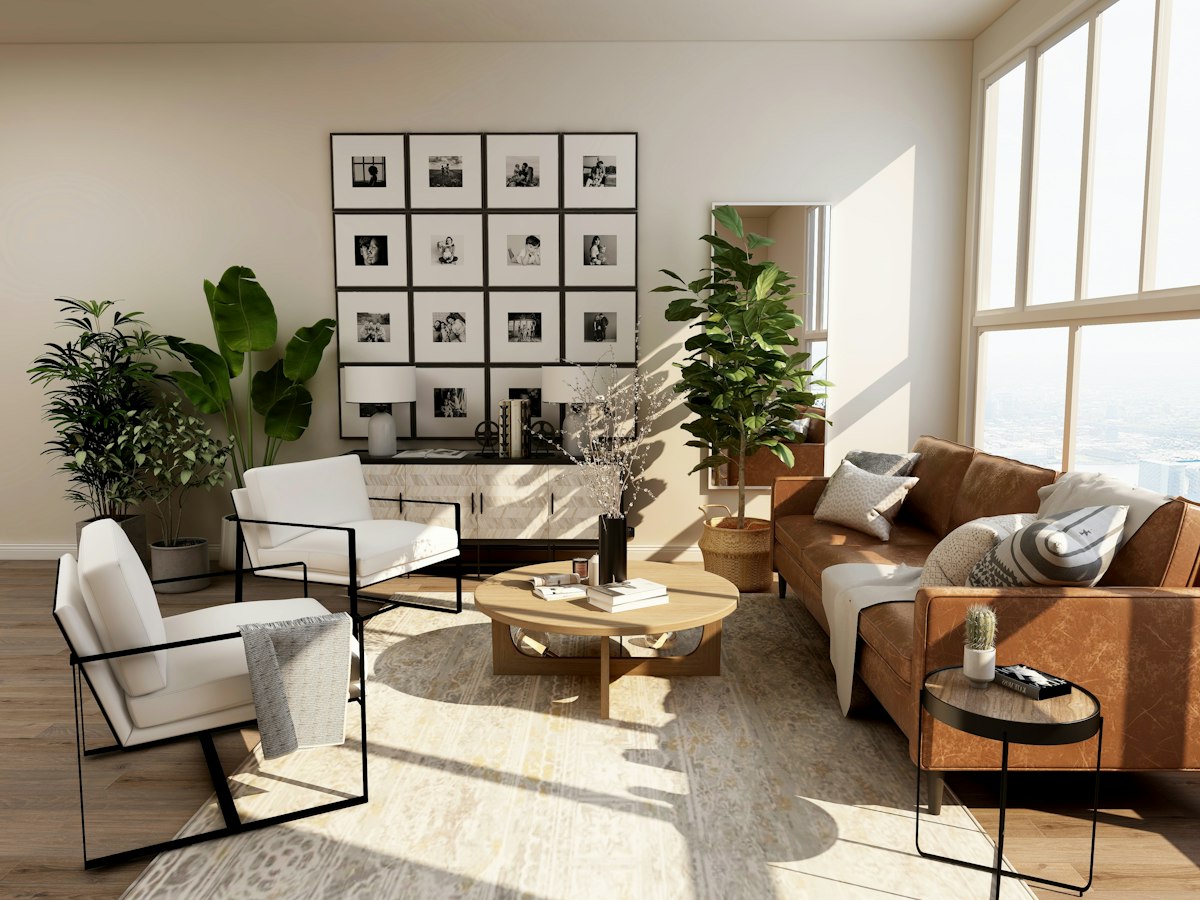
For a homeowner, this trend is good news. You do not need to replace an entire room or chase a period-perfect look. You need a clearer hierarchy: one or two substantial anchors, a small family of finishes, and storage that prevents visual noise from defeating the atmosphere. This guide explains why the look is gaining momentum, how to build it without making a room busy, and where furniture with texture and utility earns its place.
Why Textured Layers Are Replacing Flat, Perfectly Matched Rooms
Minimalism taught many of us to edit, and that lesson still matters. But a room with only smooth white planes, matching furniture, and one decorative material can read as unfinished rather than restful. Textured layering keeps the edit while adding sensory information. A matte wall beside oak grain, a fluted cabinet beside an upholstered chair, and a woven basket beneath a clean-lined lamp create differences the eye can move through. The result feels composed because the materials are related, not identical.
There is also a practical reason for the shift. Homes increasingly do several jobs at once: work zone, recharge zone, dining room, media room, and storage hub. A single decorative gesture cannot solve that. Furniture must carry function, and the function should look intentional. Cabinet fronts, drawer pulls, shelving, and light become opportunities to add character while hiding the parts of life that do not need to be on display.
Think of texture as a rhythm rather than a theme. Repeat a warm wood note two or three times; introduce one ribbed or woven surface; then balance it with a quieter plane such as linen, painted plaster, or a simple rug. Repetition gives coherence. Contrast gives the room energy. Too many unrelated finishes, on the other hand, turn texture into clutter.
Start With the Architectural Base, Then Add Contrast
The most convincing layered rooms begin with what is already there. Notice the undertone of the floor, the direction of daylight, existing trim, and the materials you cannot or do not want to replace. A warm oak floor, for example, makes an easy partner for caramel rattan, off-white paint, aged brass, and olive or clay textiles. A cooler floor can support walnut, charcoal, black metal, and oatmeal upholstery. The goal is not a strict palette; it is a group of materials that look believable together.
Next, use a 60-30-10 approach to material weight. Let about 60 percent of the visual field stay quiet: walls, large rug, curtains, or a main upholstery color. Give 30 percent to supportive texture such as wood case goods, woven shades, or a substantial side table. Reserve the final 10 percent for detail: a ribbed glass lamp, a ceramic vessel, a contrast cushion, or a small polished metal accent. This is less rigid than it sounds. It simply prevents every object from trying to be the star.
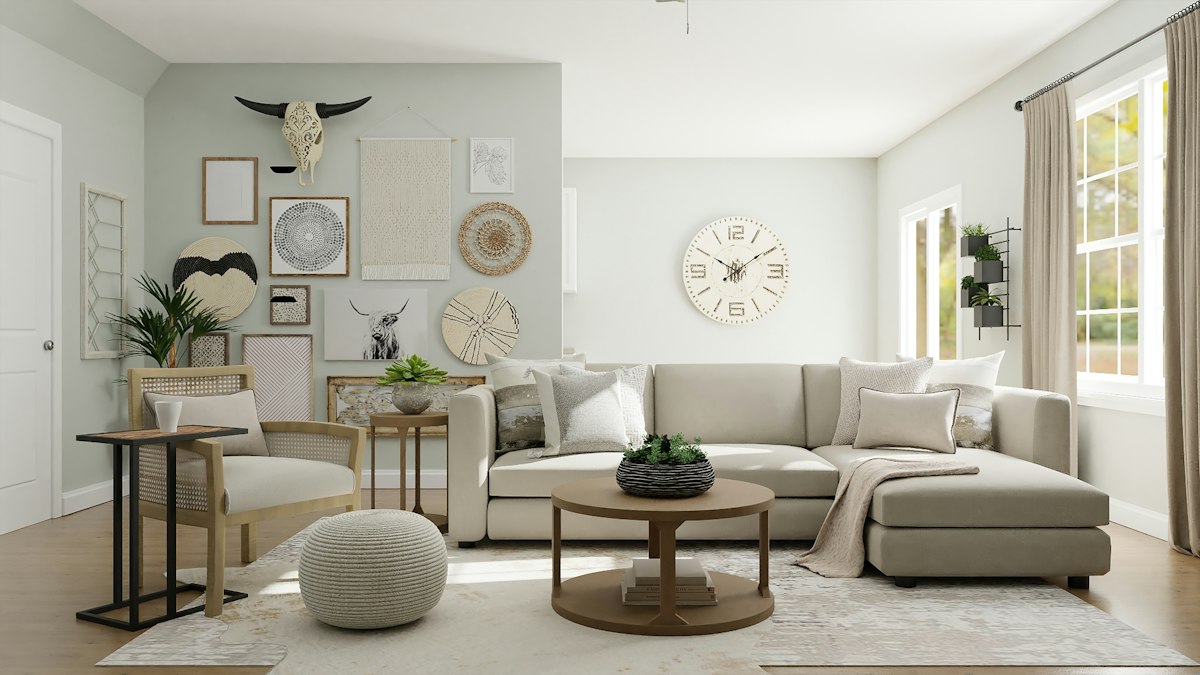
Scale matters as much as finish. In a small room, choose one vertical piece that adds presence without crowding the footprint, then keep surrounding forms lower and quieter. In a larger room, a long console, sideboard, or sectional can establish the horizon line. The common mistake is buying several medium-scale pieces that all sit at similar heights. A room becomes more relaxed when the eye can travel from a taller storage silhouette to a low table, then to a lamp or artwork.
Fluting, Rattan, and Wood Grain: Use Detail as a Focal Point
Fluted fronts and woven rattan are showing up because they do something smooth laminates cannot: they change as the light changes. Fluting makes a narrow shadow pattern, so a cabinet retains definition even in a restrained color. Rattan adds irregularity and warmth without requiring a loud print. Natural wood grain contributes movement at a larger scale. Together, these finishes help a storage piece feel like furniture rather than an appliance.
The best way to use a high-character surface is to give it breathing room. If a fluted nightstand is the bedside focal point, pair it with plain bedding and a simple lamp shade. If a rattan dresser carries the room's warmth, avoid adding another large woven item immediately beside it. One tactile statement per sightline is usually enough. You can repeat the color family elsewhere through a frame, basket, or cushion rather than repeating the exact pattern.
Lighting is the quiet partner here. Daylight reveals grain and weave; low evening light exaggerates fluting and makes a room feel more dimensional. Use a table lamp or wall light to graze across a textured surface instead of aiming every light straight down. For pieces with integrated lighting or charging, think about cable paths and outlet access before committing to the layout. Practical planning keeps the visual calm from being undermined by visible cords.
Make Storage Part of the Design, Not the Cleanup Plan
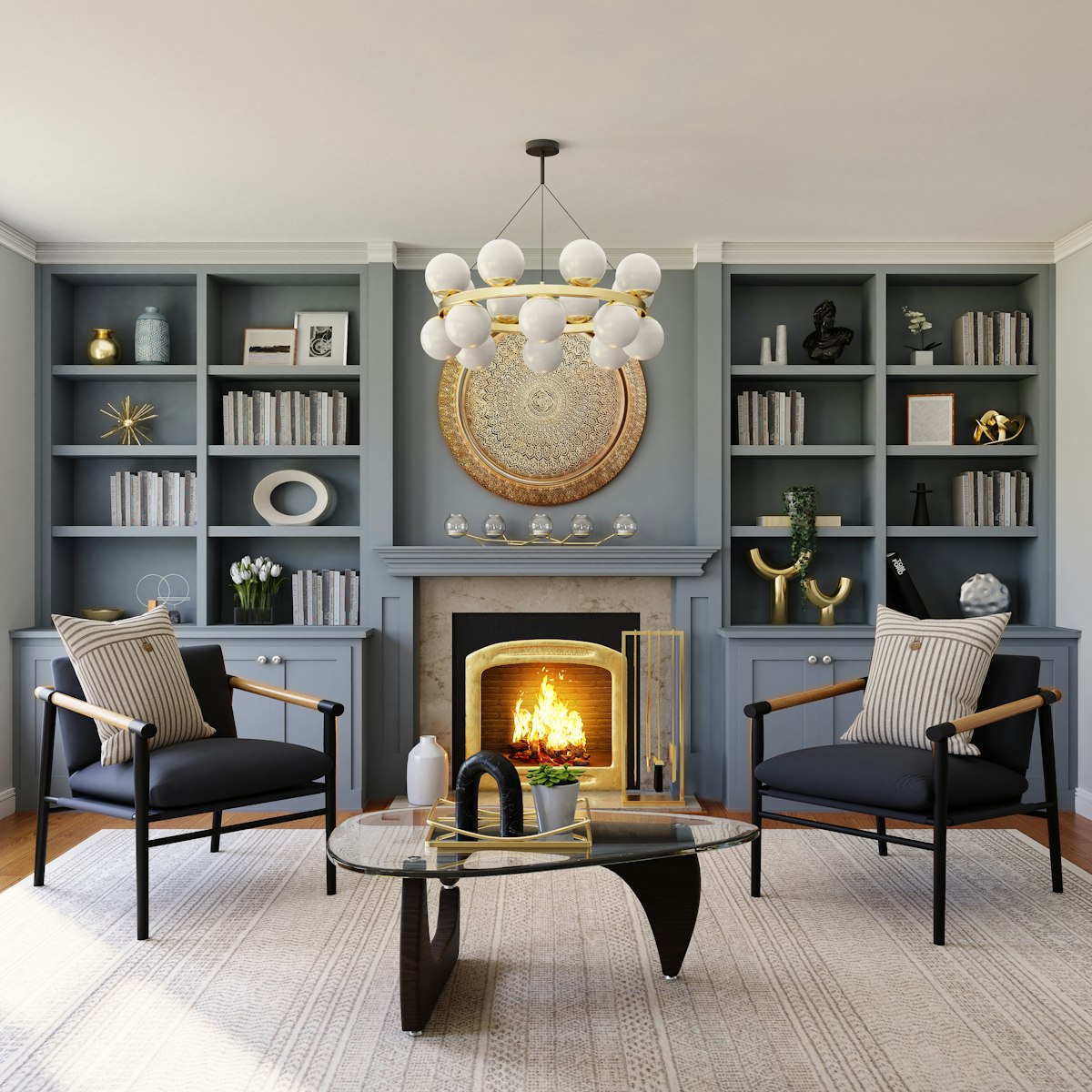
A layered home only feels calm when daily items have a destination. That does not mean everything must disappear; it means the visible things should be chosen. Books, a tray, a plant, and one ceramic object can make a tabletop feel lived in. Chargers, spare cables, paperwork, cosmetics, remote controls, and extra linens need enclosed storage if you want the texture in the room to remain the story.
Use drawers for the smallest, most repetitive categories. Use cabinets for bulky or visually disruptive items. Use open shelves for objects you are willing to edit regularly. Then assign a realistic reset: five minutes in the evening to return surfaces to their baseline. This design habit is more powerful than buying another decorative accessory, because it protects the contrast and negative space that make the room look intentional.
In bedrooms, storage deserves special attention. The room has to support transitions: getting ready, charging devices, resting, and dressing. A bedside piece with drawers can prevent the top from becoming a catchall, while a larger dresser or wardrobe can consolidate clothing and accessories into a single material anchor. In living rooms, look for pieces that hide media accessories or create a clear landing zone near the entry. Function is not separate from the trend; it is what makes it last beyond a mood board.
Layer a Room Without Making It Feel Busy
When people hear “more texture,” they sometimes add too many small objects. Resist that impulse. Depth comes from a few well-chosen contrasts at different scales, not from constant decoration. Begin with one anchoring case good, one soft element, and one lighting element. Live with that arrangement for a week before adding anything else. You will see which surfaces genuinely need warmth and which ones need to stay empty.
Color should support the material story. A useful starting palette is warm white, oak or walnut, and one muted accent such as moss, rust, inky blue, or cinnamon. If the room already has strong color, let texture do the work in neutrals. If the room is mostly neutral, add color through a textile or art piece rather than another large furniture finish. This makes later changes easier and prevents the room from looking tied to a single short-lived trend.
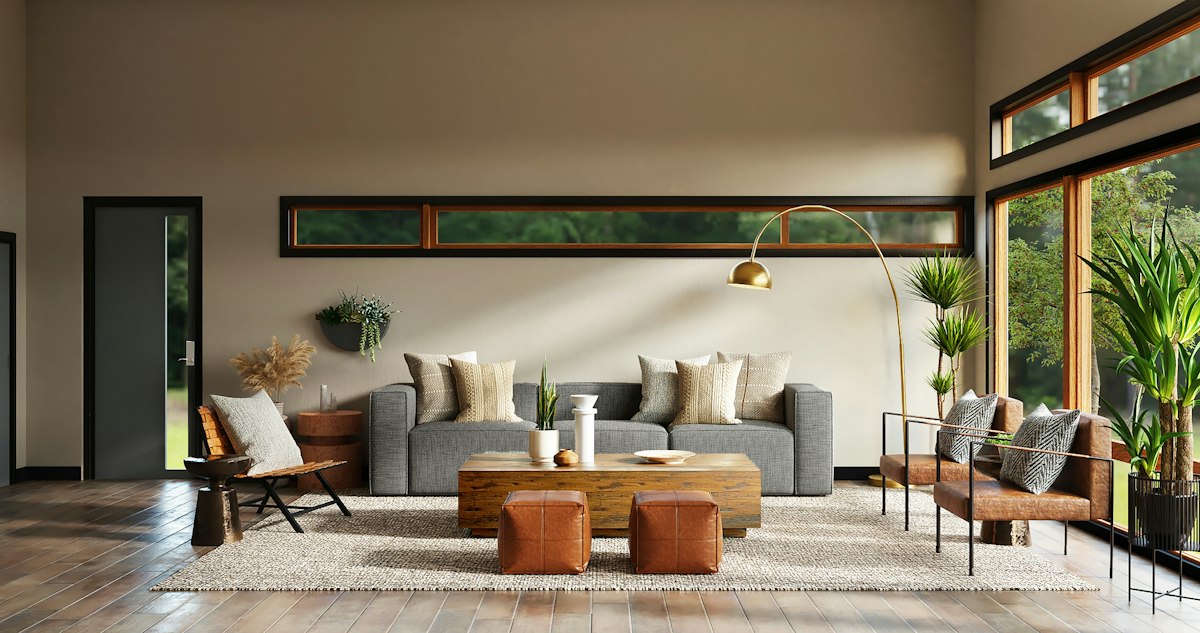
Finally, leave room for imperfection. A handmade-looking ceramic, a slightly irregular weave, or a stack of books can soften the precision of modern furniture. The point is not to imitate an old house or a boutique hotel. It is to create a home with visual evidence of use, care, and personal choice.
Practical Takeaways
- Choose one material anchor per room. A fluted cabinet, rattan dresser, or warm wood table can establish the direction.
- Build from quiet to tactile. Keep major background surfaces calm, then layer two or three related textures.
- Vary height and scale. Pair a taller storage silhouette with lower seating or a low table to create an easier visual rhythm.
- Hide the repetitive clutter. Drawers and closed cabinets protect the edited look far better than decorative organizing alone.
- Use warm, directional light. Let lamps reveal texture across a surface instead of flattening it from above.
- Edit before you add. Remove one unnecessary object before bringing in a new accent; the room will look more deliberate immediately.
Featured Products
Storage Cabinet 5-Tier Fluted - Yanosaku

This tall fluted storage cabinet brings vertical rhythm and enclosed storage to a living room, bedroom, or dining zone. Its textured front makes it a strong anchor when the rest of the palette is intentionally quiet. Shop this piece.
48'' Tall Dresser for Bedroom, Rattan Dresser with 5 Drawers, Boho Chest of Drawers- Yanosaku

The rattan drawer fronts add a softer, handcrafted note to bedroom storage. Use its generous drawers to keep clothing and accessories out of sight so the room can retain a calmer layered finish. Shop this piece.
Fluted LED Nightstand with Charging Station, 5-Drawer, Oak - Yanosaku

A compact bedside piece is where texture and function meet every day. The fluted oak look, drawers, and charging-friendly setup help maintain an organized, warmly detailed bedroom. Shop this piece.
Conclusion: Build Depth You Can Live With
Textured layering is worth paying attention to because it is not only about appearances. It gives a room a more human scale, makes storage feel considered, and lets useful furniture contribute to the atmosphere instead of disappearing into it. Start with what your home already has, choose one meaningful texture to lead the room, and make sure everyday clutter has somewhere to go.
Ready to create a warmer, more dimensional space? Explore Vektaya's textured storage and bedroom furniture, then choose the one piece that will make your room work better and feel more like yours.
0 comments