Some design trends arrive with a new color name or a photogenic silhouette. The more useful ones change the way a room feels to live in. This week, the idea gaining traction is the “jewelry-box” interior: rooms that are compact or ordinary in footprint but deliberately layered, personal, and satisfying at close range. Architectural Digest put the phrase into circulation in its July 31 coverage, while recent small-rental makeovers and bedroom conversations across the home press point to the same appetite: people want spaces with character, not blank backdrops that look finished only from the doorway.
A jewelry box is not valuable because it is large. It works because every compartment, lining, hinge, and object has a job. Applied to interiors, the analogy is not an excuse to buy more décor. It is a call to make tighter edits, choose materials with presence, and pair beauty with storage. That makes the trend especially practical for bedrooms, dressing corners, entry zones, and small living rooms—places where the details are seen up close and daily routines can quickly create clutter.
Why the Jewelry-Box Idea Is Resonating Now
The trend is a reaction to two real conditions. First, many homes are being asked to do more. A bedroom may also be a getting-ready station, a remote-work retreat, and a place to reset. A rental kitchen may need to feel welcoming even when permanent construction is off limits. Second, homeowners and renters have spent years seeing ultra-minimal rooms online. Minimalism can be restful, but when it is copied without attention to light, texture, or personal history, it can feel generic.
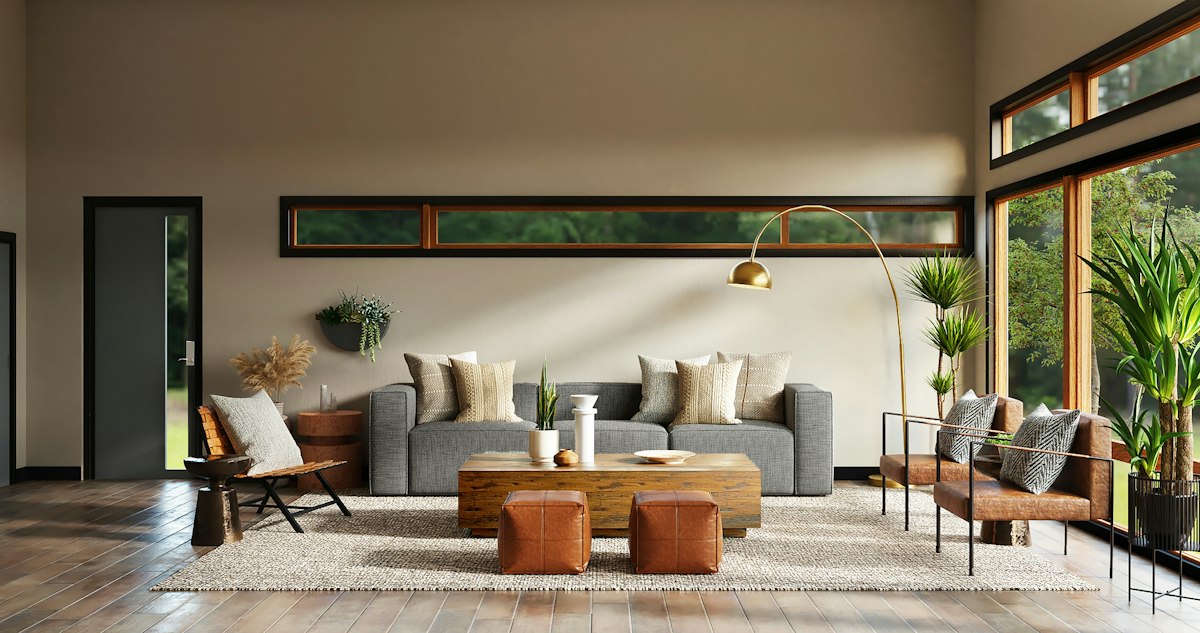
The jewelry-box approach offers a middle path. It favors depth over excess: a painted wall that makes wood look richer; a mirror that bounces daylight; a pleated shade, woven drawer front, or aged-metal pull that rewards a closer look. The key is visual hierarchy. One or two elements lead, supporting elements add texture, and the rest of the room stays quiet enough for daily life. That is why this direction has staying power beyond a social-media moment. It is a framework for editing, not a prescription for a single style.
Recent editorial signals support that reading. Architectural Digest’s July 31 “Jewelry-Box Theory” feature centers the emotional power of personal details. Apartment Therapy’s late-July tiny-rental kitchen makeover shows continued demand for high-impact changes in constrained spaces. Their current bedroom coverage also keeps returning to affordable ways to make a private room feel more finished. Together, these signals suggest that the next upgrade is less about a total renovation and more about making familiar square footage feel considered.
Build Depth With a Controlled Mix of Finish, Pattern, and Light
Start with a three-part material recipe. Choose one grounding finish, one tactile contrast, and one reflective accent. In a bedroom, a grounding finish might be warm oak or painted matte white. The contrast could be rattan, fluting, linen, boucle, or a nubby wool rug. The reflective accent can be a mirror, glass lamp base, or small metal detail. This formula gives the eye something to travel across without turning every surface into a competing statement.
Light is just as important as material. Jewelry boxes often have a soft lining that makes the contents feel special; in a room, layered lighting performs that role. Use ambient light for the whole space, task light where routines happen, and a lower, warmer source for the end of the day. A mirror near a window or lamp can multiply available light, but avoid aiming it directly at an untidy zone. Reflection is a spotlight, so give it something worth repeating.
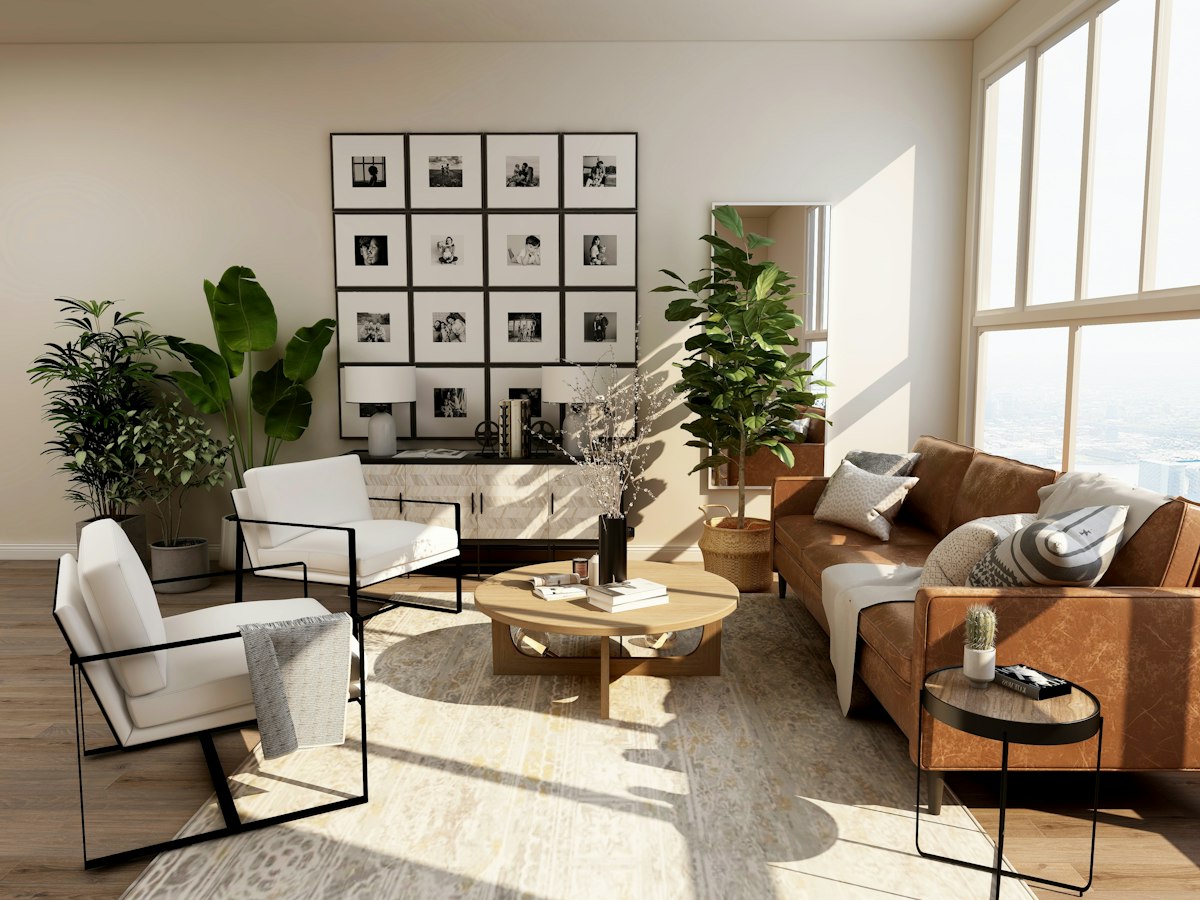
Pattern belongs in the same edited system. Instead of introducing five unrelated prints, repeat a shape or color family at different scales: a striped pillow, a small checked box, and a framed line drawing can coexist if the palette is limited. If the furniture already has fluted, woven, or carved texture, a solid-colored textile may do more than another busy pattern. A successful layered room feels collected because its elements are in conversation—not because every item demands an introduction.
Let Storage Carry Part of the Design Story
In small rooms, storage is often treated as a compromise. The jewelry-box mindset flips that. Storage can be a visual anchor when it has the right proportion, finish, and placement. A tall wardrobe can create architecture on a blank wall. A dresser can ground a rug and provide a place for a lamp, art, and one tray. A nightstand can turn a mattress-and-wall arrangement into a complete bedside composition.
The secret is to separate display from containment. Keep a shallow tray or a single book stack for items you want to see. Put cables, duplicate beauty products, seasonal accessories, and paperwork into drawers or behind doors. That distinction makes a room look intentional even when it is actively used. It also keeps the trend honest: the goal is not to stage your life permanently; it is to give everyday objects a reliable home.
Before buying a storage piece, measure more than the empty wall. Check door swing, drawer clearance, outlet location, baseboard depth, and the route from the delivery entrance to the room. Then decide what category of items it must absorb. A wardrobe is for volume, a dresser is for folded categories, and a nightstand is for the bedtime routine. When furniture solves a named problem, decorative styling becomes easier because the surface is no longer doing the work of a closet.
Make a Small Room Feel Personal Rather Than Crowded
The distinction between layered and crowded is intentional negative space. Give significant objects room around them. A framed picture looks stronger when it is not flanked by six smaller items. A beautiful wood grain reads better when every inch of the top is not covered. Think in “moments”: a bedside moment, a dressing moment, a reading moment. Each should have a clear purpose and a limited cast of objects.
Color can help define those moments. A deep earth tone behind a bed, a warm off-white around a mirror, or a single saturated accent on a chair can create enclosure without a structural renovation. Paint is especially useful for renters when used on removable panels, framed canvases, or furniture rather than prohibited walls. The goal is to create an emotional boundary: this is where you sleep, this is where you prepare, this is where you pause.
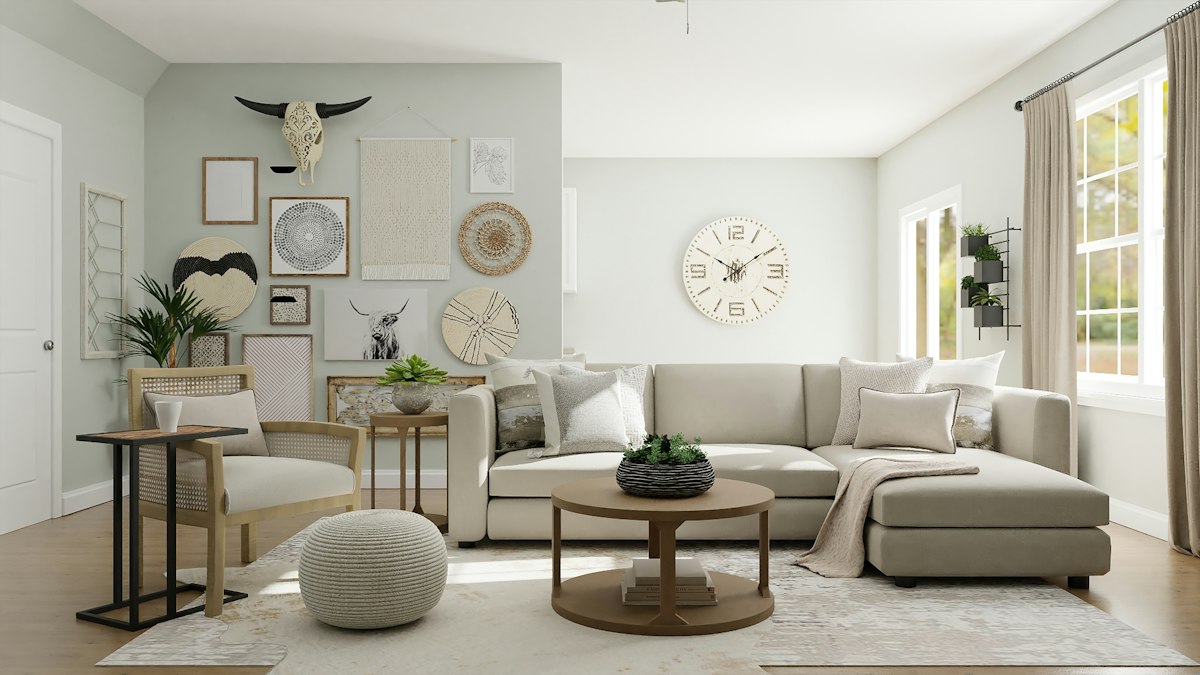
Personal objects are the final ingredient, but they need editing too. Display the ceramic cup you actually use, a travel photograph, a favorite book, or a small inherited object. Group them by tone, material, or scale so they read as a collection rather than a holding area. Rotate pieces seasonally instead of forcing every memory into view at once. The result feels intimate because it reflects a real person, not because it contains the maximum number of possessions.
Practical Takeaways: A One-Weekend Jewelry-Box Reset
- Choose one focal wall: anchor it with a tall mirror, a substantial storage piece, or a clearly scaled artwork. Let that wall establish the room’s mood.
- Use the three-finish rule: one grounding finish, one tactile texture, and one reflective detail are enough to create richness.
- Clear surfaces by category: leave out only what supports the routine that happens there; relocate everything else into dedicated drawers, cabinets, or baskets.
- Layer light before adding décor: add a warm lamp or a better bulb first. It may reveal that the room needs less ornament than expected.
- Style in small groups: arrange two to four objects with varied heights, then step back. If the surface still reads as a surface, stop.
- Repeat, do not match: echo a wood tone, curved shape, or warm metal in two or three places instead of buying a matched set.
Featured Products for a Layered Bedroom
These active Vektaya pieces bring together the two sides of the trend: they make a visual contribution while helping daily items disappear when the room needs to feel calm.

14-Drawer Full-Length Mirror Vanity Desk with 10 Shelves, White - Yanosaku
A tall mirrored armoire makes the decorative layer work harder: it reflects light, creates a dressing-zone focal point, and keeps clothing and daily tools behind a calm face.
$769.99 Shop this piece

23" Fluted LED Nightstand with Charging Station, Drawers, Oak - Yanosaku
The oak finish and fluted texture add the small-scale material contrast that gives a bedside vignette intention, while drawers and charging access protect the surface from visual clutter.
$199.99 Shop this piece

48'' Tall Dresser for Bedroom, Rattan Dresser with 5 Drawers, Boho Chest of Drawers- Yanosaku
Rattan texture introduces warmth without asking the room to absorb another loud color. Five drawers make it a practical place to edit out the items that do not deserve display.
$269.99 Shop this piece
Conclusion: Make the Details Earn Their Place
The jewelry-box interior is not about filling a room with precious things. It is about noticing that the best rooms have a point of view at arm’s length: useful storage, soft light, materials that invite touch, and a few personal details with breathing room around them. Start with the spot you see first every morning or last every night. Give it a stronger anchor, remove what does not belong there, and add one finish that changes how the space feels.
Ready to turn your bedroom into a more personal, better-organized retreat? Explore Vektaya’s bedroom storage and accent furniture, choose the piece that solves your most persistent clutter problem, and build the rest of the room around it.
0 comments