A kitchen renovation no longer has to choose between looking polished and working hard. The most persuasive design signal right now is a move toward kitchens with more personality, more visible warmth, and much better everyday storage. Recent interiors coverage has paired European-style color-led kitchen transformations with renewed attention to the small cabinet details that make a room feel considered. At the same time, furniture and renovation reporting continues to favor pieces that earn their footprint through flexibility rather than visual noise.
The result is a useful direction for real homes: a kitchen that feels less like a sealed laboratory and more like the social center of the house. Think an island with a softened, painted finish; cabinetry that reads more like furniture; and a storage plan that keeps appliances, pantry staples, charging cords, and serving pieces close without leaving them permanently on display. This is not an argument for a total rip-out. It is a design framework that can guide a full renovation, a phased update, or one carefully chosen storage piece.
Why Warm, Expressive Kitchens Are Leading the Conversation
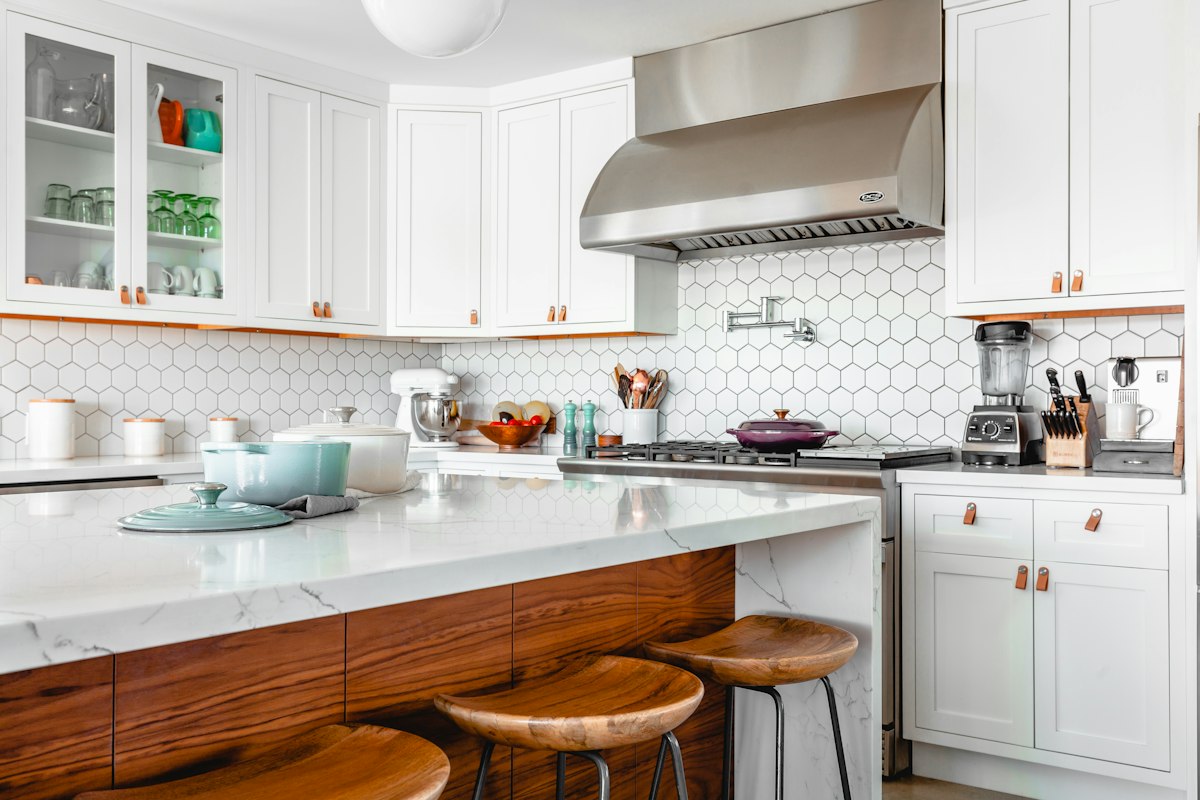
For years, the safe kitchen formula was easy to recognize: pale cabinets, white counters, minimal hardware, and as few visual interruptions as possible. It remains practical, but it can also make a room feel generic. The newer approach keeps the clean planning while introducing an emotional focal point. A colored island, an earthy cabinet tone, a veined surface, or a wood-grain pantry can give the space an identity without making every surface compete.
This is why the pink-island renovation stories getting attention are more useful than they first appear. The takeaway is not that every homeowner should install a pink island. It is that the island can be treated as a furnishing with its own color, proportion, and material logic. A muted clay, oxblood, moss, smoky blue, or warm cream can make a kitchen feel intentional while allowing the perimeter cabinetry to stay quieter. In an open-plan room, that distinction helps the kitchen connect to the living area instead of feeling like a separate zone dropped into it.
Warmth also comes from contrast. Pair painted cabinetry with a wood stool, a ribbed glass door, brushed metal, handmade-look tile, or a soft linen shade nearby. The goal is variation in texture and sheen, not a catalog-perfect matching set. When every finish is identical, even an expensive kitchen can feel flat. When two or three finishes repeat with discipline, the room gains depth.
Make the Island Behave Like Furniture, Not Just a Counter
The island is where renovation budgets are most visible, so it deserves a functional brief before a style decision. Ask how it will be used at 8 a.m., at dinner, and during a busy weekend. Is it a landing zone for bags? A prep station? A place for children to draw? A serving table? Each answer changes the best depth, overhang, storage mix, lighting, and seating arrangement.
Furniture-inspired islands answer those questions with details borrowed from the rest of the home: legs or a recessed plinth, an open shelf for cookbooks, a contrasting end panel, rounded corners, or a painted base that does not match the wall cabinets. These moves make the mass feel lighter and more human. They also make it easier to coordinate with a dining table or sideboard, especially when the kitchen opens directly onto the main living space.
Do not sacrifice circulation for a larger island. Keep working aisles comfortable, plan door and drawer swings, and decide where stools will tuck in before selecting the slab. A compact island with one excellent drawer bank and a durable overhang is more successful than an oversized block that forces everyone to turn sideways. If the room cannot take an island, a narrow movable worktable or a dining table that expands for guests can deliver much of the same social value.
Storage Is the Renovation Upgrade You Notice Every Day
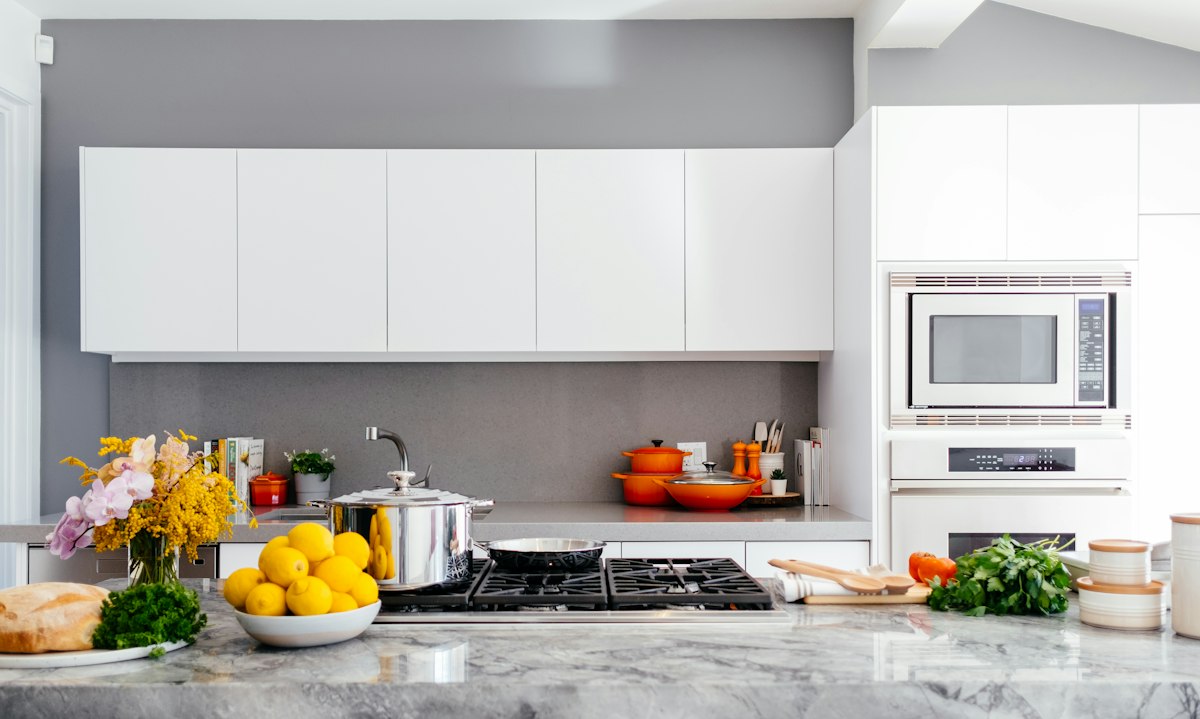
Beautiful kitchens fail quickly when the counter becomes the default home for everything. The strongest renovation plans begin with an inventory, not a mood board. List the items that create daily clutter: oils, spices, water bottles, lunch containers, mail, small appliances, pet supplies, chargers, and the awkward serving pieces that never fit in standard cabinets. Then give each category a specific location near its point of use.
That process often reveals that more cabinets are not necessarily the answer. Better zones are. A tall pantry can consolidate dry goods and appliances. Deep drawers can replace difficult lower-cabinet shelves. A dedicated charging shelf can stop cables migrating onto the counter. A slim sideboard can hold linens, mugs, and extra dishes just outside the cooking zone. The principle is simple: store the frequent items where you use them, and place occasional items higher, lower, or farther away.
Visible storage should be curated, not crammed. One open shelf for daily ceramics, cookbooks, or a small plant creates rhythm; five open shelves full of mismatched packaging create visual work. If you like the airy look but need concealment, consider fluted glass, rattan, or partly glazed doors. They introduce texture and hint at what is inside while reducing the pressure to make every shelf look styled at all times.
For renters or phased renovations, freestanding storage is especially valuable. It can solve the pantry problem now, move later, and prevent a rushed cabinetry decision. Choose adjustable shelves, drawers for smaller items, and a footprint that preserves a clear route through the room.
Layer Materials for Durability and a More Relaxed Finish
Material layering is the difference between a kitchen that photographs well and one that remains pleasant after months of cooking. Start with the surfaces that do the hard work: a counter that suits your maintenance tolerance, flooring that can handle spills, and hardware that feels good dozens of times a day. Then add softer or more characterful materials in places that do not take constant abuse.
Wood is particularly effective because it moderates the coolness of stone, tile, and metal. It can appear as a walnut dining table, oak-toned shelves, a butcher-block accent, or simply a stool and picture frame. Matte or brushed metal hardware is another practical way to shift the mood without committing to a high-maintenance finish. Use a limited palette—perhaps one cabinet color, one wood tone, one metal, and one stone or tile family—so the room feels layered rather than busy.
Lighting deserves the same layered thinking. General ceiling lighting makes the room usable; task lighting under cabinets makes prep safer; a pendant or wall light adds atmosphere over the island or dining edge. Put decorative lighting on a dimmer where possible. At night, the kitchen should be able to become a calm room for a late meal rather than remaining bright like a workstation.
Plan a Flexible Kitchen Instead of Chasing a Fixed Look
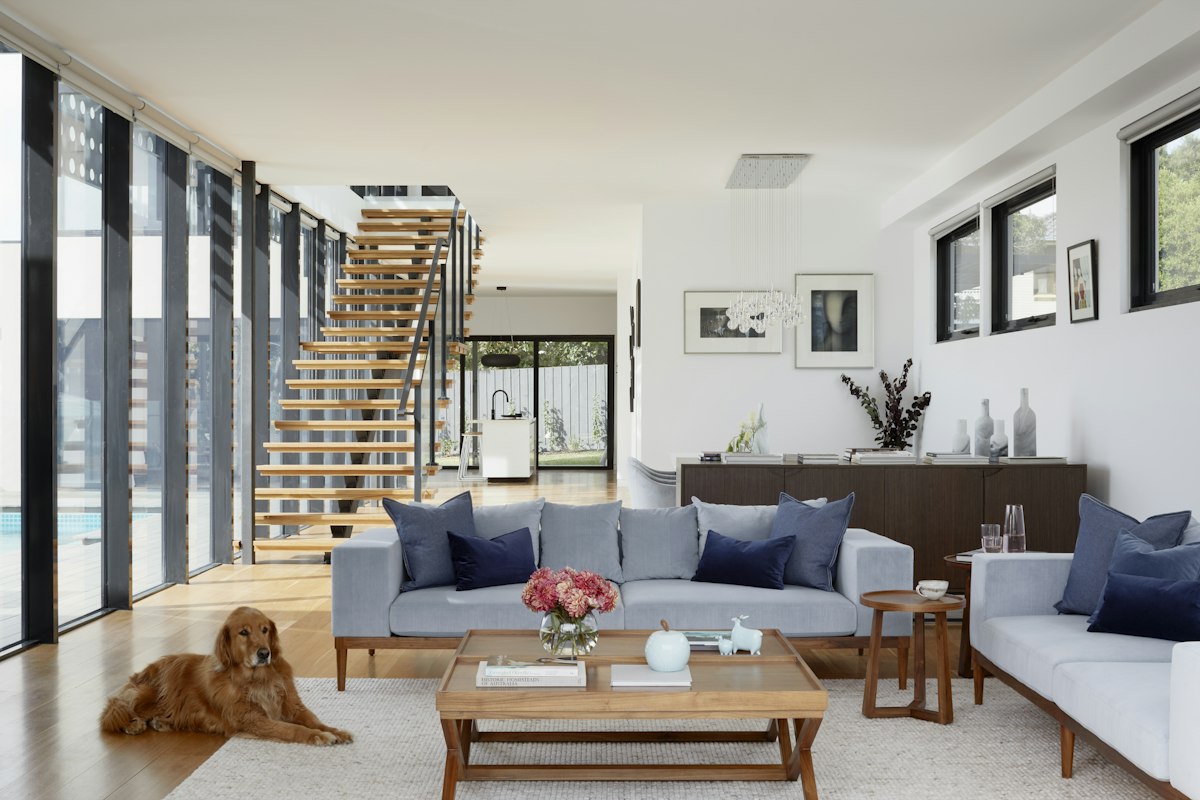
Trend-aware design is most successful when it leaves room for change. A painted island can be refreshed later. A freestanding pantry can move from kitchen to dining room. A table with an extension leaf can host a weekday meal and a holiday gathering. These are not compromises; they are a smarter response to the way households evolve.
Before ordering anything, measure the full room and mark appliance doors, walkways, vents, outlets, and radiators. Make a simple paper plan with the dimensions of the items you are considering. Then test the plan against actual routines: unloading groceries, making coffee, setting out breakfast, hosting two extra people, and opening every door at once. This exercise is unglamorous, but it catches most expensive mistakes.
It also helps to separate permanent investment from refreshable expression. Put the durable budget into cabinetry construction, storage hardware, lighting placement, and the surfaces you touch every day. Use paint, rugs, stools, art, and tabletop objects for the seasonal or more personal layer. That balance is what lets a kitchen feel current without becoming dated the moment the next color cycle begins.
Practical Takeaways for Your Next Kitchen Update
- Choose one focal point: Let the island, a pantry wall, or the backsplash lead the room. Supporting finishes should make that choice feel stronger, not compete with it.
- Audit clutter before buying storage: Count the categories that live on your counter and assign each one a home close to where it is used.
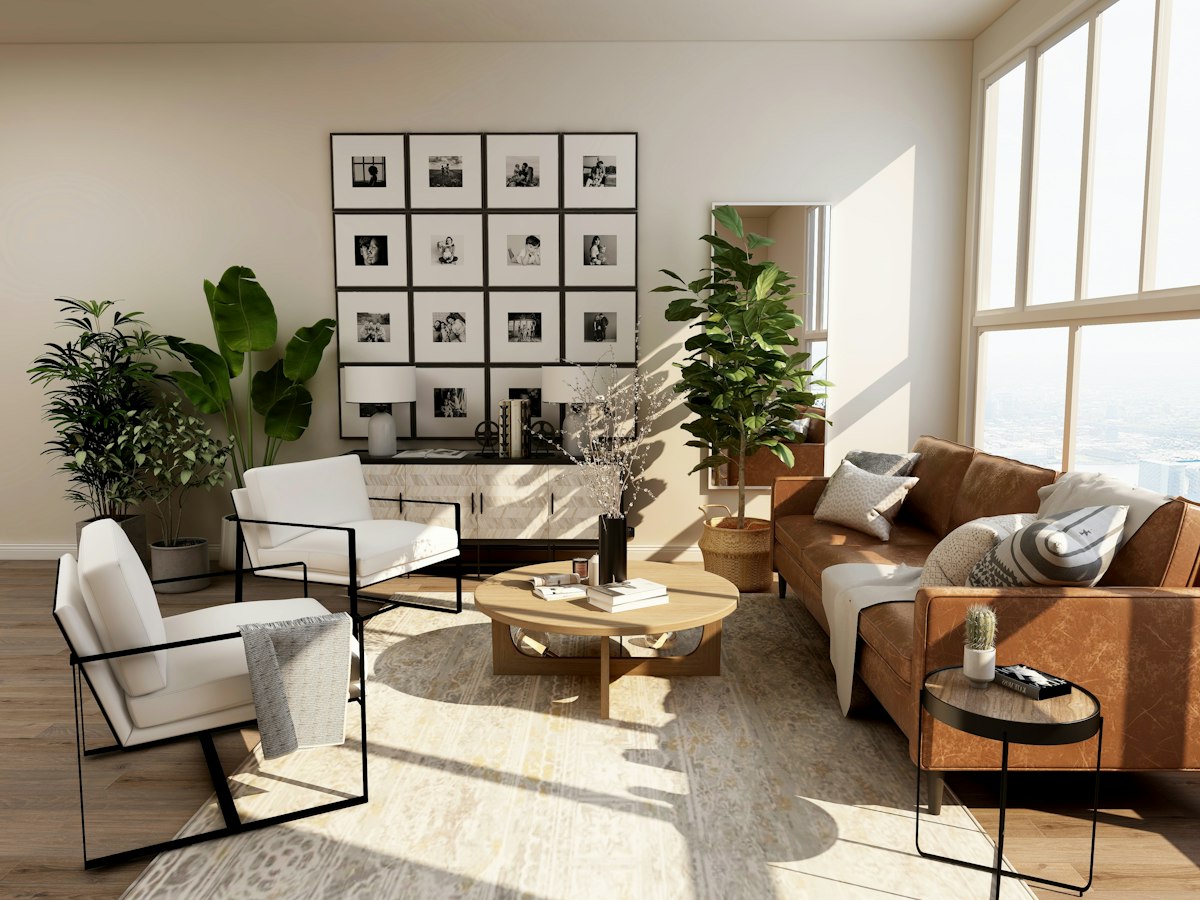
- Use furniture to bridge open plans: A sideboard, pantry cabinet, or extendable table can make a kitchen feel connected to the rest of the home while adding real capacity.
- Protect circulation: Test clearances with doors, stools, and people in mind. A slightly smaller piece with a clear path will feel more generous every day.
- Layer, do not match: Combine a restrained set of wood, paint, metal, and stone finishes. Repetition creates coherence; one contrasting texture creates life.
- Spend on function first: Drawers, adjustable shelving, reliable lighting, and durable touchpoints will outlast any single visual trend.
Featured Products
71" Tall Kitchen Pantry with LED Lights & Charging Station - Yanosaku

A tall pantry is a direct route to clearer counters. This model brings adjustable vertical storage to dry goods, small appliances, and the everyday items that need a consistent home. Its built-in lighting and charging station make it especially useful in a kitchen that also functions as a household command center.
15"–30" Expandable Sideboard with 3 Drawers, White - Yanosaku

An expandable sideboard adds the furniture-like layer that makes an open kitchen feel settled. Use the drawers for linens, utensils, and paper goods, then extend the surface when you need a serving station, coffee setup, or extra landing space for guests.
43" Dining Table Extendable Walnut - Yanosaku

An extendable dining table gives a smaller kitchen-dining zone the adaptability that fixed built-ins cannot. The walnut finish brings natural warmth into a palette of painted cabinets and stone surfaces, while the expanding format supports both everyday meals and extra guests.
Conclusion: Build the Kitchen You Will Actually Use
The most relevant kitchen trend is not a single paint color or cabinet profile. It is the decision to make the room expressive enough to feel like home and organized enough to support real life. Start with the storage friction you want to remove, choose one warm focal point, and use flexible furniture to connect cooking, dining, and living. When you are ready to make the update tangible, explore Vektaya’s kitchen storage and dining pieces to build a room that looks welcoming and works even harder.
0 comments