A compact bedroom has stopped being a problem to disguise. In 2026, it is increasingly being treated as a design brief: make the room feel restorative, make every piece earn its footprint, and avoid turning storage into visual noise. That shift is visible in current small-home coverage. Apartment Therapy recently highlighted storage headboards for tiny bedrooms and a remarkably narrow New York living room that still accommodates daily life. Architectural Digest’s late-July coverage of washable rugs and designer-styled stays points in the same direction: people want rooms that can take real use and still feel personal.
The useful lesson is not that every small bedroom needs more furniture. It is that a better layout can reduce the amount of furniture required. Storage-first bedroom design pairs circulation, concealment, lighting, and texture so the room works at 7 a.m., 3 p.m., and 11 p.m. without looking like a utility closet. Here is how to translate the trend into a renovation or refresh that feels lasting rather than over-engineered.
1. Start With the Bed Zone, Not the Empty Walls
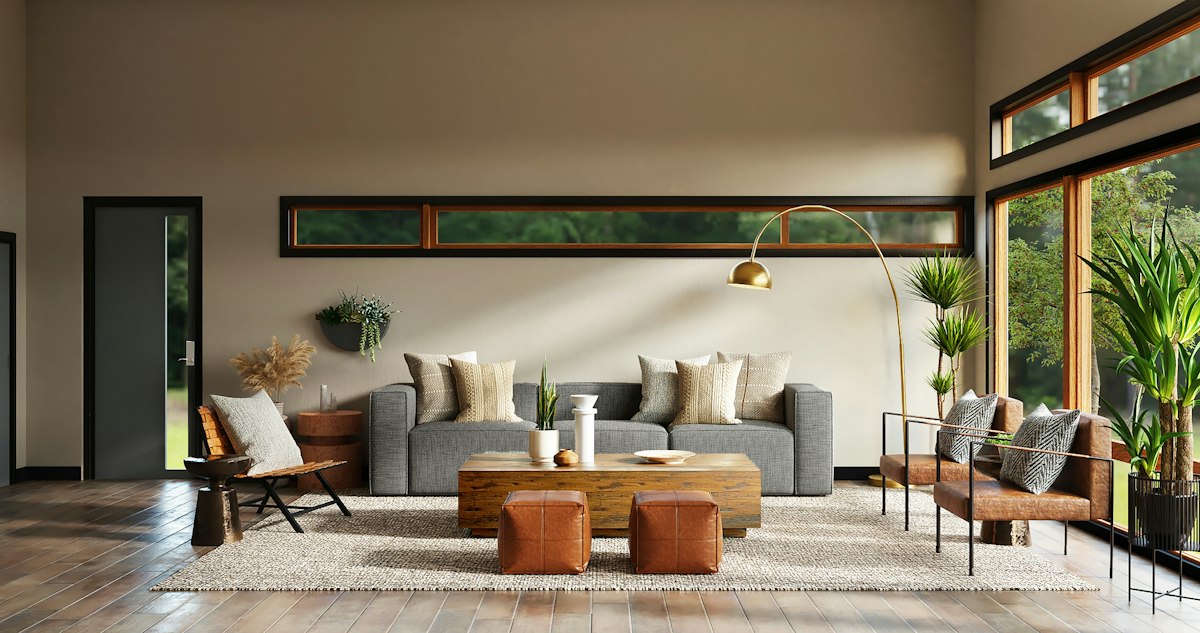
The bed is both the largest visual object and the least flexible one, so it should set the geometry of the room. Before shopping, map a realistic path from door to bed, from bed to closet, and from bed to window. A narrow circulation lane is more useful than a dramatic but unreachable storage unit. In many compact rooms, centering the bed on the longest clear wall is still the calmest choice; in others, shifting it slightly can release enough space for a full-height cabinet or a more functional bedside zone.
Then treat the wall behind the bed as a working plane. A headboard with integrated shelves, slim ledges at shoulder height, or shallow cabinetry around the bed can absorb the objects that usually spill across a nightstand. The important distinction is depth. Storage that projects too far makes the room feel smaller and interrupts the route around the mattress. Aim for slim, deliberate layers near the head of the bed and reserve deeper storage for a wall where doors or drawers can open safely.
This is also where renovation decisions matter. If electrical work is already planned, add outlets and switched reading lights before closing the wall. Hardwiring is not mandatory, but it eliminates dangling cables and frees the top of a nightstand. When a room cannot accommodate two conventional tables, a wall-mounted shelf with a sconce can be more generous in practice because it preserves floor space for a hamper, pet bed, or simply easier cleaning.
2. Make Vertical Storage Look Like Architecture
The strongest small-space storage is not a collection of bins. It reads as a single architectural move. A tall cabinet, a built-in-style bookcase, or a wardrobe that reaches close to the ceiling visually pulls the eye upward while putting infrequently used items where they belong. The aim is to create a few large, understandable volumes rather than a scatter of low pieces competing for attention.
Choose the storage type according to what you actually own. Closed doors are excellent for mixed categories: folded linens, cables, seasonal clothing, paperwork, and hobby supplies. Open shelving is best when its contents are edited and repeated, such as books, matching baskets, or a small run of framed photographs. A hybrid is often ideal: conceal the messy middle, then leave one or two open areas for objects that make the room feel inhabited.
Color and finish determine whether a tall piece settles into the room or dominates it. Match the cabinet to the wall for a quiet, built-in effect, or use a warm wood tone to create a grounded focal point. Repeating its finish in a frame, lamp base, or curtain rod helps it feel intentional. This is why the current preference for tactile woods, fluting, and soft neutrals works so well in compact bedrooms: it gives storage texture without asking the room to carry a high-contrast pattern everywhere.
3. Build a Three-Layer Storage System
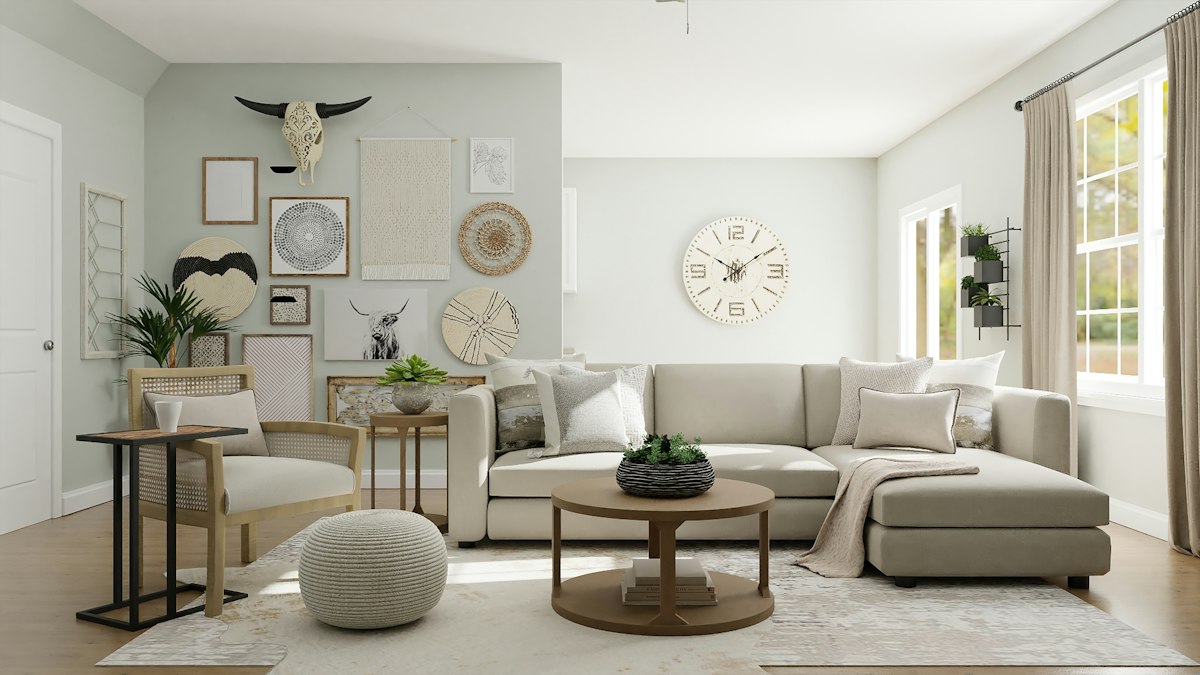
A room stays calm when its storage reflects the frequency of use. Think in three layers. The first is immediate access: a glass of water, medication, a book, charging cables, and glasses. These deserve a drawer, bedside shelf, or tray that can be reached without standing up. The second is daily access: clothes, grooming tools, work items, and laundry. These need drawers, doors, and labels that make reset routines fast. The third is occasional access: spare bedding, luggage, seasonal clothing, and keepsakes. This layer can live higher up, under the bed, or in the deepest portion of a cabinet.
This hierarchy changes buying decisions. An under-bed box is not a substitute for a drawer beside the bed, and an open shelf is not automatically a good home for things you use every morning. When every object has a suitable level, the room takes fewer minutes to restore. That matters more than it sounds: a bedroom is often the first and last environment of the day, so visible clutter has an outsized effect on how finished the home feels.
Give yourself one deliberate landing zone near the door, too. A small hook rail, slim basket, or drawer for a bag, watch, and tomorrow’s clothes prevents the bed from becoming the default staging area. It is a minor addition, but it supports the whole system. The best small-space plans are less about magical furniture and more about preventing predictable habits from creating visual backlog.
4. Use Light, Softness, and Washable Layers to Protect the Mood
Storage solves function; atmosphere is what makes a compact room feel generous. Start with three kinds of light: an ambient source for general brightness, focused reading light at the bed, and a low, warm layer for winding down. Dimmers or bulbs in a warm range help a room shift from practical morning mode to evening retreat. Keep lampshades and fixtures visually simple, especially when the room already has cabinetry, because too many strong silhouettes can fragment a small space.
Textiles do equally important work. Architectural Digest’s current attention to washable rugs is a useful reminder that beautiful materials need not be precious. A low-pile washable rug can soften the first step out of bed, define the sleeping zone, and make a rental or renovation feel more complete. Choose a rug large enough to extend beyond the sides of the bed, but leave a visible border of flooring at the perimeter so the room retains a sense of width.
Layer bedding with two or three related tones rather than many competing colors. A quilt, throw, or lumbar cushion can supply texture, while curtains hung high and wide make the window feel larger. These choices are not merely decorative. They redirect attention from a room’s dimensions to its comfort, and they make practical storage feel like part of a considered interior rather than an afterthought.
5. Renovate for Flexibility, Then Edit Ruthlessly
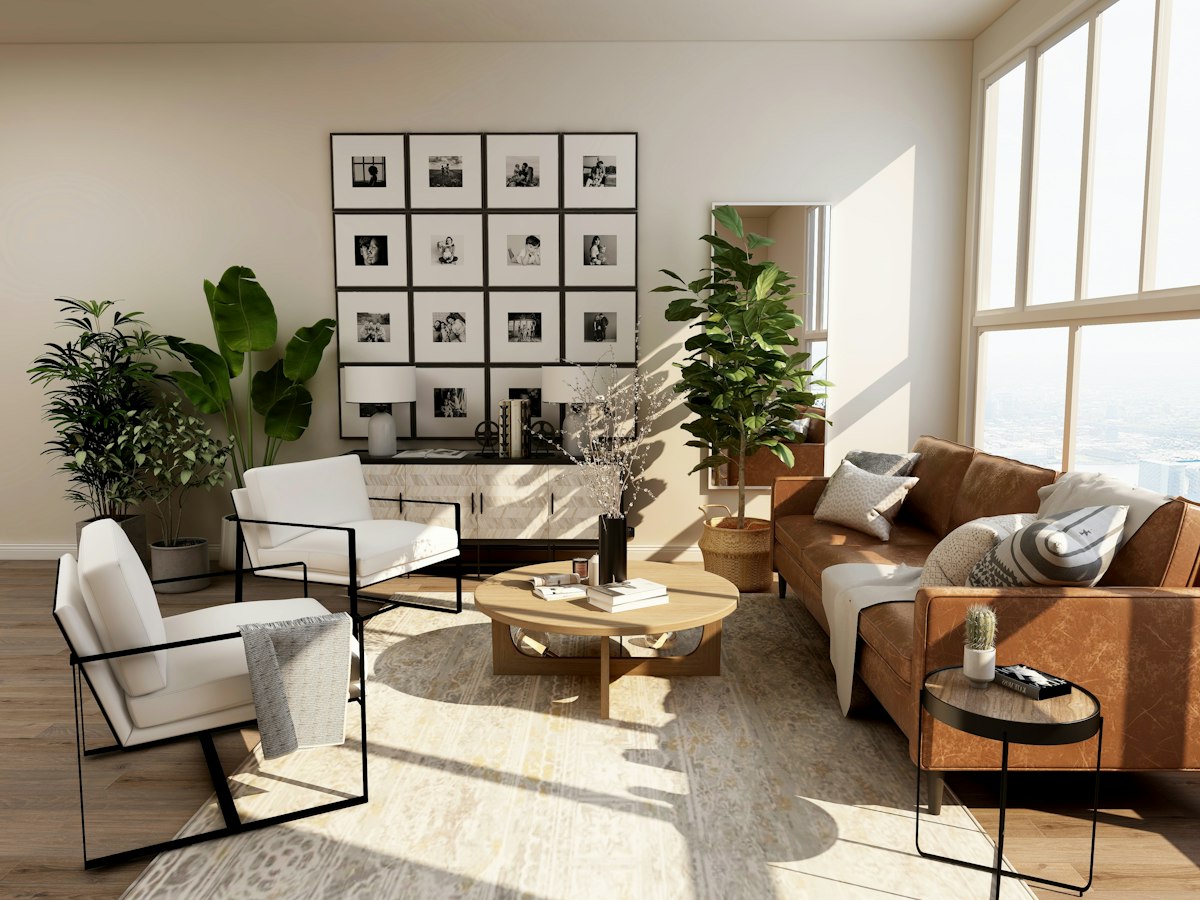
Small-bedroom renovation is most successful when it anticipates change. A charging drawer may later hold a baby monitor; a cabinet used for linens may become a workstation archive; a bedside surface can support a temporary recovery setup or a new reading habit. Pick furniture with adjustable shelves, drawers of more than one depth, and finishes that can move between rooms. Flexibility is not about buying convertible objects for every corner. It is about avoiding pieces that only solve one narrow moment.
After installation, edit the room like a host preparing a guest suite. Keep the functions that belong there and move everything else. A bedroom does not need to display every book, beauty product, souvenir, or device you own. Let a few personal objects earn visibility; store the rest according to the three-layer system. The result should feel specific to you, but sufficiently open that your eyes and body can rest.
Finally, test the plan for a week before adding more. Notice where you set things down, which drawer you avoid, whether a cabinet door blocks the route, and whether the light is useful at night. These observations are more valuable than a trend board because they reveal the exact friction your room needs to remove.
Practical Takeaways
- Map walking paths before choosing storage; easy access is more valuable than maximum capacity.
- Give bedside essentials shallow, immediate storage and reserve deep storage for occasional items.
- Favor one tall, coherent storage piece over several low units that fracture the floor plan.
- Use closed storage for mixed categories and open shelves only for edited, repeatable displays.
- Plan lighting and outlets alongside the layout, especially if you are opening walls during renovation.
- Soften the room with washable, durable textiles that support everyday life instead of demanding special care.
- Live with the arrangement for a week, then solve the real friction points before buying another organizer.
Featured Products
These active Vektaya pieces suit a storage-first bedroom plan by giving everyday items a clearer home while preserving a calm visual rhythm.
23" Fluted LED Nightstand with Charging Station, Drawers, Oak - Yanosaku

A bedside piece with drawers helps keep books, chargers, glasses, and nighttime essentials from migrating onto the floor or mattress.
5-in-1 Armoire Wardrobe Closet with Full Length Acrylic Mirror & 2 Drawers, White - Yanosaku

Use its height to consolidate categories that would otherwise require several shallow pieces, leaving more visible floor around the bed.
3-Drawer LED Mirror Vanity Desk with Charging Station, 2 Cabinets, Chair, White - Yanosaku

A defined surface plus enclosed storage gives getting-ready routines a home without asking the bed to become a desk, vanity, and catch-all.
Conclusion: Make Less Space Feel More Considered
The storage-first bedroom trend is not about squeezing in more. It is about choosing fewer, smarter moves: protect circulation, build upward, separate immediate and occasional storage, and finish the room with materials that invite daily use. Start with one problem area—the bedside surface, the closet overflow, or the empty vertical wall—and improve that system first. Explore Vektaya’s bedroom and storage furniture to build a room that is easier to use, easier to reset, and genuinely better to come home to.
0 comments